GTA 6 actors unlikely to earn residuals from game sales
Video game actors are paid per session, not per copy sold. Voxel explains why GTA 6's cast may not share in its sales, citing SAG-AFTRA rates and GTA 4.
Reported. Established outlets report this. Rockstar hasn't said so.

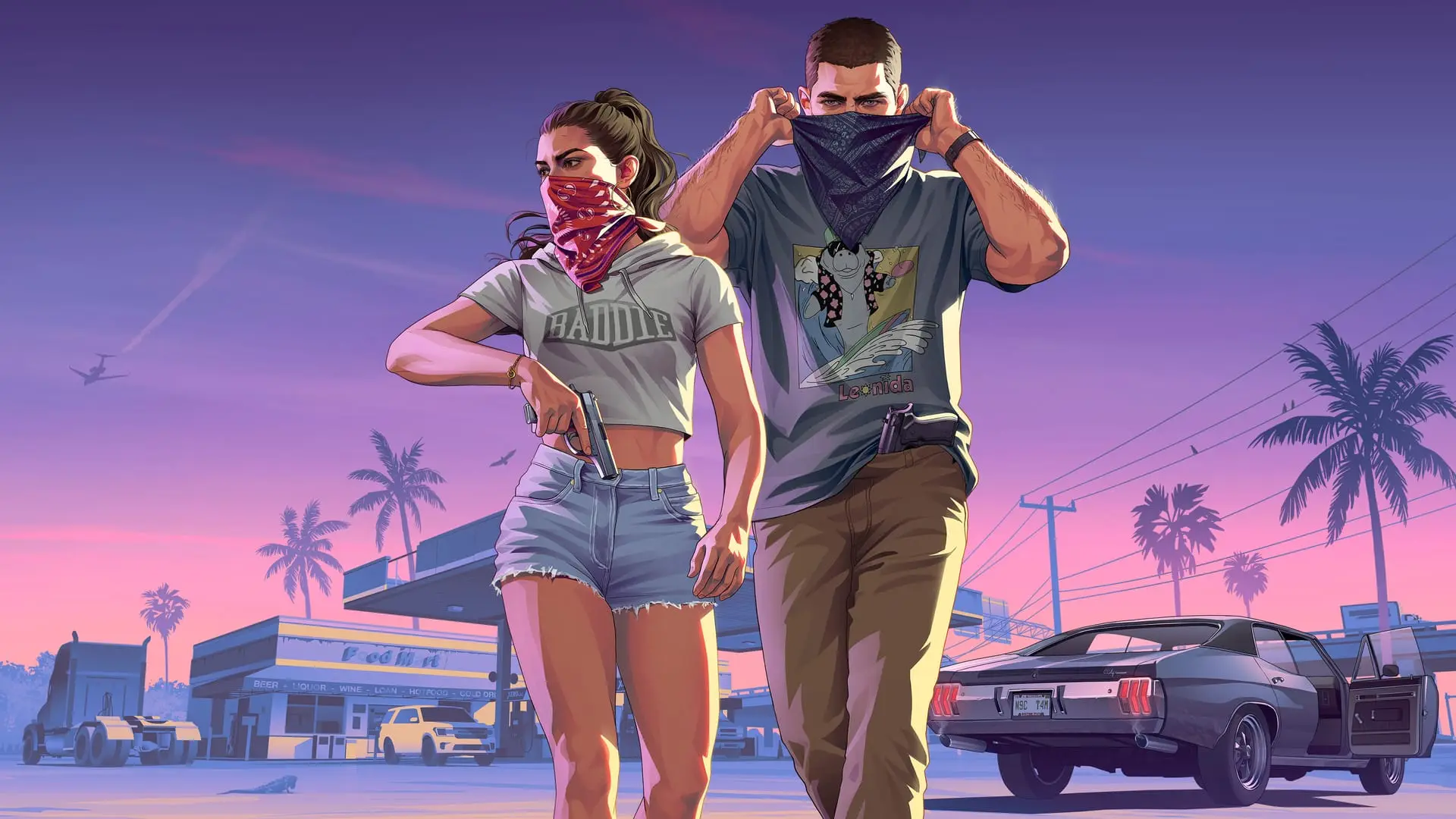
A woman said to be the actress behind Lucia in GTA 6 went viral this week after telling viewers on a livestream that she isn't rich, according to Brazilian outlet Voxel. Some fans were surprised, since Rockstar's game is expected to bring in billions of dollars soon after it launches on November 19. Voxel's explanation is simple: video game performers are usually paid for their time in the recording booth, not for the number of copies a game sells.
Rockstar has not officially named the actors who play Lucia or Jason, so the streamer's role is still unverified. Casting claims around the game have been unreliable before, as the Rob Brinkmann episode showed.
Why games never adopted residuals
In film and television, "residuals" are extra payments that keep reaching performers as long as a production earns money, through reruns or sales to other markets, for example. Voxel says the model took hold in those industries while games were still a much smaller business. It puts the game industry at about $11 billion in 2005, compared with more than $100 billion for film. Games also gave actors less of a spotlight in their marketing back then, the outlet adds, so extra payments were never written into standard contracts.
Voxel also points to the cost of making games. Big titles need large teams of programmers, artists, writers and other staff, and much of a hit game's revenue goes to covering production, marketing and distribution. Actors generally get no percentage of sales.
What SAG-AFTRA rates look like
According to Voxel, pay depends on the contract, the union involved and the type of production. In the United States, the actors' union SAG-AFTRA sets minimum rates for voice work, including games, and agents can negotiate higher fees.
Voxel cites an interim interactive media rate sheet covering November 2024 to November 2025. It lists a minimum of $1,102 for a four-hour session covering up to three characters. Later agreements added further increases, though Voxel doesn't give the new figures, and what any individual performer earns comes down to their own contract.
The outlet notes that SAG-AFTRA's guidance for games includes no traditional residuals tied to sales. Some contracts do provide extra pay for performers who work several sessions on the same project. That is a far cry from commercials, where a new airing can trigger another payment, or TV shows that pay out again when they are rerun.
The Niko Bellic precedent
The GTA series has already been through this debate once. In May 2008, The New York Times reported that Michael Hollick, who provided the voice and motion capture for Niko Bellic, said he was paid about $100,000 for his work on GTA 4, as Voxel recounts. The game took roughly $500 million in its first week, and Rockstar says it has gone on to sell more than 25 million units. Hollick's pay did not grow with that success.
Voxel notes that the discussion at the time ran into a hard question. Writers, artists and developers also shape a character like Niko, so it was unclear how a revenue split could fairly cover everyone involved.
The GTA 5 cast have not disclosed what they were paid, and Voxel says nothing suggests they received residuals based on sales. Despite their popularity, those actors still appear at fan conventions and events, and their earnings are not reported to come close to those of major Hollywood stars.
Voxel's piece includes no details of the GTA 6 cast's contracts. For everything else confirmed about the game so far, see our GTA 6 guide.
Sources
Written by AI from the sources listed here, then checked automatically for copied wording and for claims stronger than the sources. How we work