GTA 6 never plays the same music twice, composer says
Composer Pablo Lluch explains on Spanish radio how GTA 6's dynamic score mixes bass, drums and synth layers in real time, so no two playthroughs sound alike.
Reported. Established outlets report this. Rockstar hasn't said so.
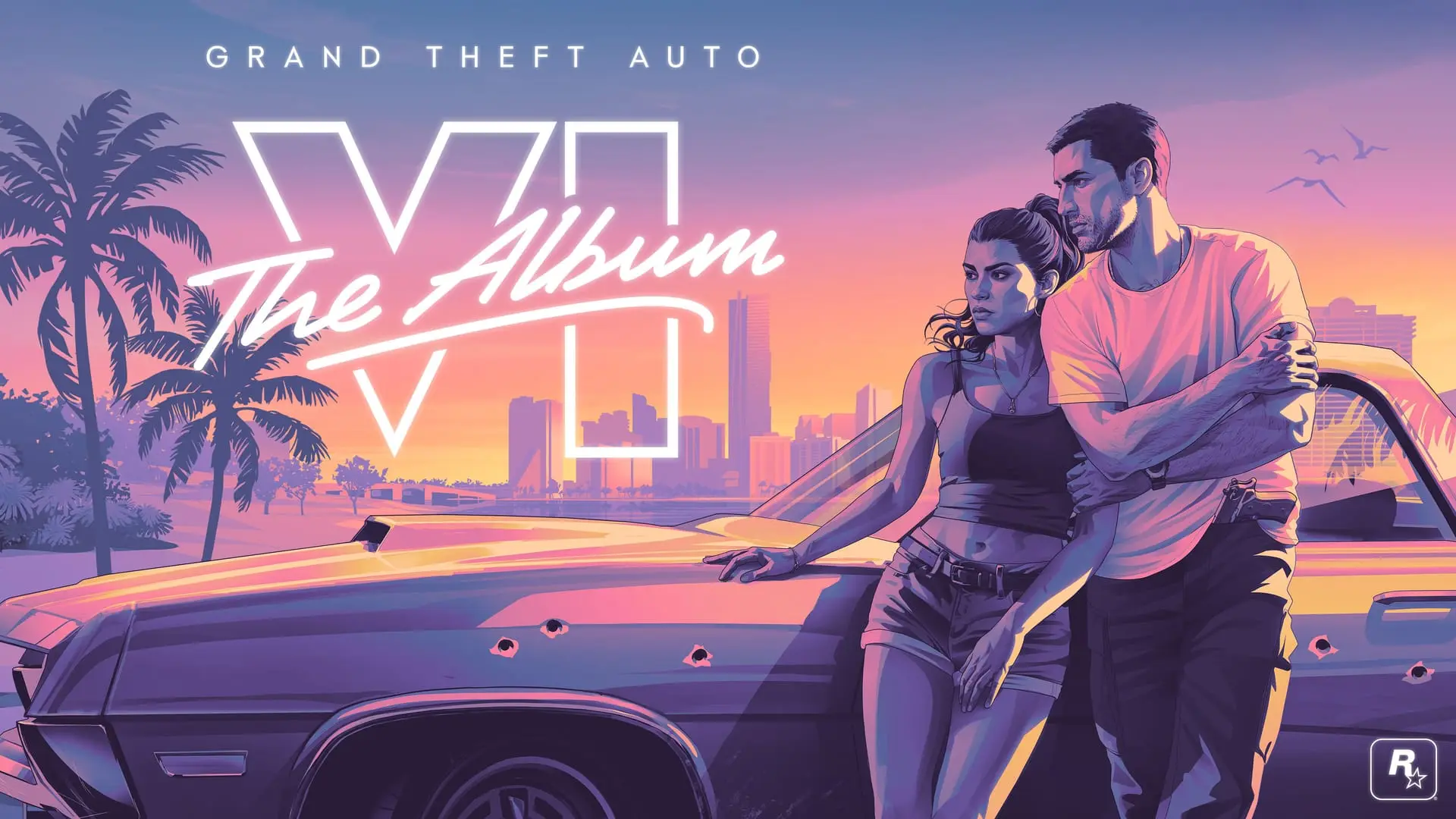
Spanish composer Pablo Lluch has gone on national radio to make the case that GTA 6's music deserves as much attention as its graphics. Speaking on Cadena SER's morning show Hoy por Hoy, Lluch, who also teaches on the talent show Operación Triunfo, broke down how the game's dynamic score is built and why it reacts to everything you do. His headline line: "In GTA you never hear the same music twice."
He was clear that he meant the score that plays during missions and action, not the licensed tracks on the in-game radio (those are a separate system, covered in our GTA 6 radio stations guide).
Why a game score can't be written like a film score
Lluch started with the difference between cinema and games. A film composer writes an exact piece for a scene of known length, say a two-minute chase with every rise and drop planned in advance. A game can't work that way, he said, because the player decides what happens from second to second. In an open world like GTA's, nobody can predict what you'll do next.
The answer is to compose in independent layers. One piece of music is split into separate parts, such as bass, drums and synthesizers, and the game raises, lowers or mutes each one depending on the action, the mood and where you are in the story. The system combines those layers on the fly, so every session ends up with its own soundtrack.
One track, from a car ride to a helicopter
To show how it works, Lluch played a single GTA 6 track live on air and walked listeners through how it builds:
- Getting into a car: only the bass line plays.
- A police chase starts: more layers come in.
- A shootout breaks out: the mix gets denser.
- A helicopter arrives: the track reaches full chaos.
The song never changed at any point. Only the number of active layers did.
His advice to listeners was practical: "If you have a nephew, a cousin or anyone you know playing GTA, sit next to them and pay attention to the music." He called the work very well made, and said it's fascinating to hear the music keep adapting to what's on screen and fit each situation so naturally.
Adaptive music has a long history
Rockstar didn't invent the technique. In 1991, Michael Land and Peter McConnell built the iMUSE system at LucasArts. It debuted in Monkey Island 2: LeChuck's Revenge and was later used in Star Wars: TIE Fighter, changing instruments and transitions in real time based on what the player did, within the hardware limits of the time. Closer to home, Rockstar's own Red Dead Redemption games used adaptive scores before GTA 6 did.
Sources: 3DJuegos
Written by AI from the sources listed here, then checked automatically for copied wording and for claims stronger than the sources. How we work