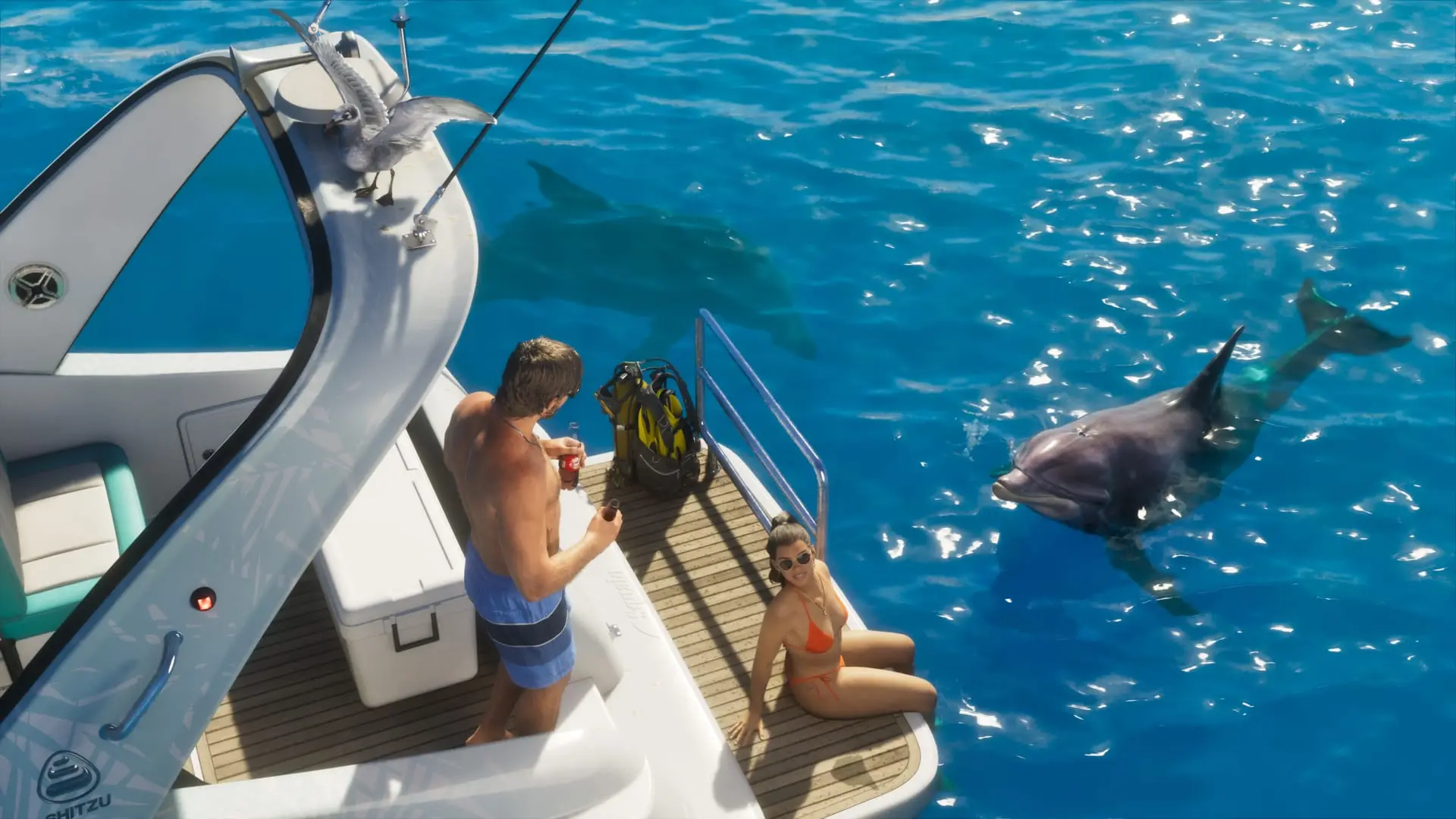
GTA 6 New Zealand trick: an estimated 2.1M Xbox players
Ampere Analysis estimates 1.5 million US and 600,000 UK Xbox players switched to New Zealand to start GTA 6 early. PS5 saw far fewer early starts.
Reported. Established outlets report this. Rockstar hasn't said so.

More than 2.1 million Xbox players in the US and UK set their consoles to New Zealand so they could start Grand Theft Auto VI on November 18, hours before it unlocked at home. That's the estimate from research firm Ampere Analysis, which counts 1.5 million of those players in the US and 600,000 in the UK.
GTA 6 launched on November 19 on PS5 and Xbox Series X|S, unlocking at midnight local time in each territory. New Zealand's time zone puts it among the first countries in the world to reach midnight, so players who pretended to live there got the game hours before everyone else in their own country. Our launch times by country guide shows how the rollout worked around the world.
How the trick worked on Xbox
On Xbox Series X|S it took two steps: switch the console's location to New Zealand, then restart it. Some Xbox owners have used the same method on big releases for years, but nothing has come close to this scale.
Why far fewer PS5 players did it
Ampere's figures for PlayStation are much smaller:
| Platform | US | UK | Total |
|---|---|---|---|
| Xbox Series X|S | 1,500,000 | 600,000 | 2,100,000+ |
| PS5 | about 100,000 | about 25,000 | about 125,000 |
The gap comes from how Sony handles regions. PlayStation doesn't let you freely change the country on an existing account, so PS5 players had to create a new New Zealand account and buy GTA 6 a second time from the New Zealand PlayStation Store. On Xbox you could keep your existing purchase.
These are Ampere's estimates rather than numbers from Rockstar, Microsoft or Sony. Even so, they give an idea of the rush on launch night. GTA 6 has reportedly sold more than 32 million copies at launch. Our GTA 6 hub has everything else about the game.
Sources: Vandal
Written by AI from the sources listed here, then checked automatically for copied wording and for claims stronger than the sources. How we work